
Turtles: The Saviours of Nosara’s Coastline

In Nosara, it is easy to fall in love with what is immediately visible: the surf at Guiones, Pelada’s rocky edges, the green that returns with the rain. But some of the most extraordinary life along our coastline asks us to slow down, look carefully, and make room.
Sea turtles belong to that quieter story. Even when the beach seems empty, it may be holding the beginning of another generation.
When the ocean comes ashore
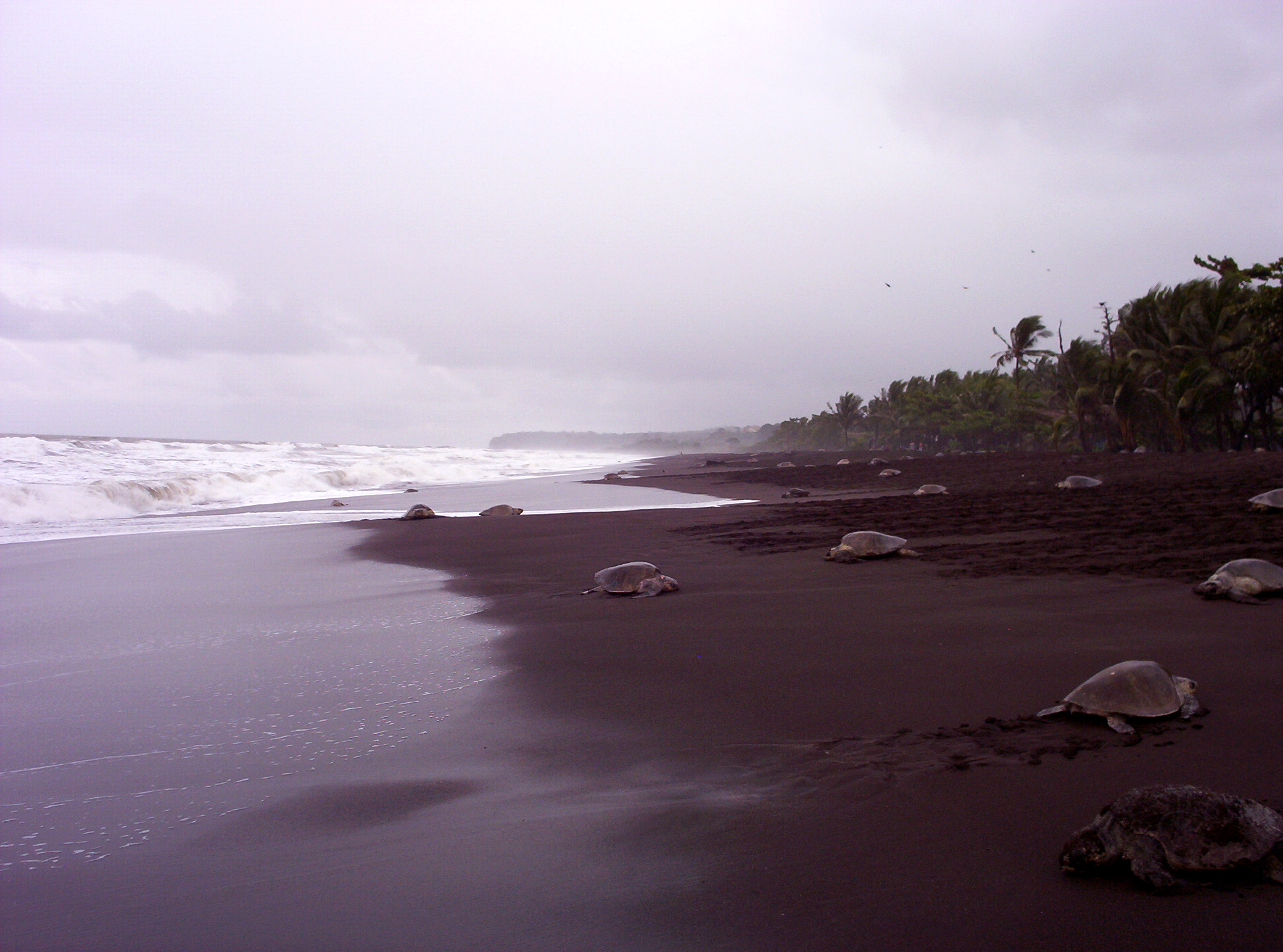
At nearby Ostional, that story becomes an arribada: a mass nesting event in which olive ridley turtles emerge from the Pacific and come ashore together. Thousands of females may share the sand, digging nests before returning to the sea. Arribadas happen during much of the year, but their timing is unpredictable. Nature keeps its own calendar.
A visitor sharing their experience on Reddit described an “incredible experience with hundreds of turtles up early at sunset.” The words are simple, but they capture something photographs struggle to hold: the feeling of standing beside a living rhythm much larger than ourselves. This was a traveller’s personal account, not a promise of what every visit will bring.
A coastline we share
Yet the story reaches beyond Ostional’s spectacular gatherings. Guiones and Pelada are nesting beaches too. Local monitoring by Wildlife Conservation Association has documented olive ridley, Pacific green, and leatherback turtles using these shores.
“But sea turtle conservation does not stop where the arribada ends.”
— Dr. Vanessa Bézy, Wildlife Conservation Association
That matters on beaches where people walk, surf, and gather every day. The coastline is shared habitat. A stretch of sand that holds our footprints in the afternoon may hold a turtle’s tracks by morning.
Their presence also nourishes this landscape. Research at Ostional shows that nesting turtles carry nutrients and energy from the ocean onto the beach. Eggs and nesting remains feed organisms within the coastal food web, helping make nutrients available to plants. The connection between sea, sand, and coastal vegetation is more alive than it first appears.
People are part of this connection. Ostional’s community has worked with researchers on a regulated management programme for decades. Its history includes a closely controlled egg harvest, alongside conservation responsibilities. Understanding that complexity means listening to local knowledge and science together, rather than judging the community from a passing photograph.

Let wonder become care
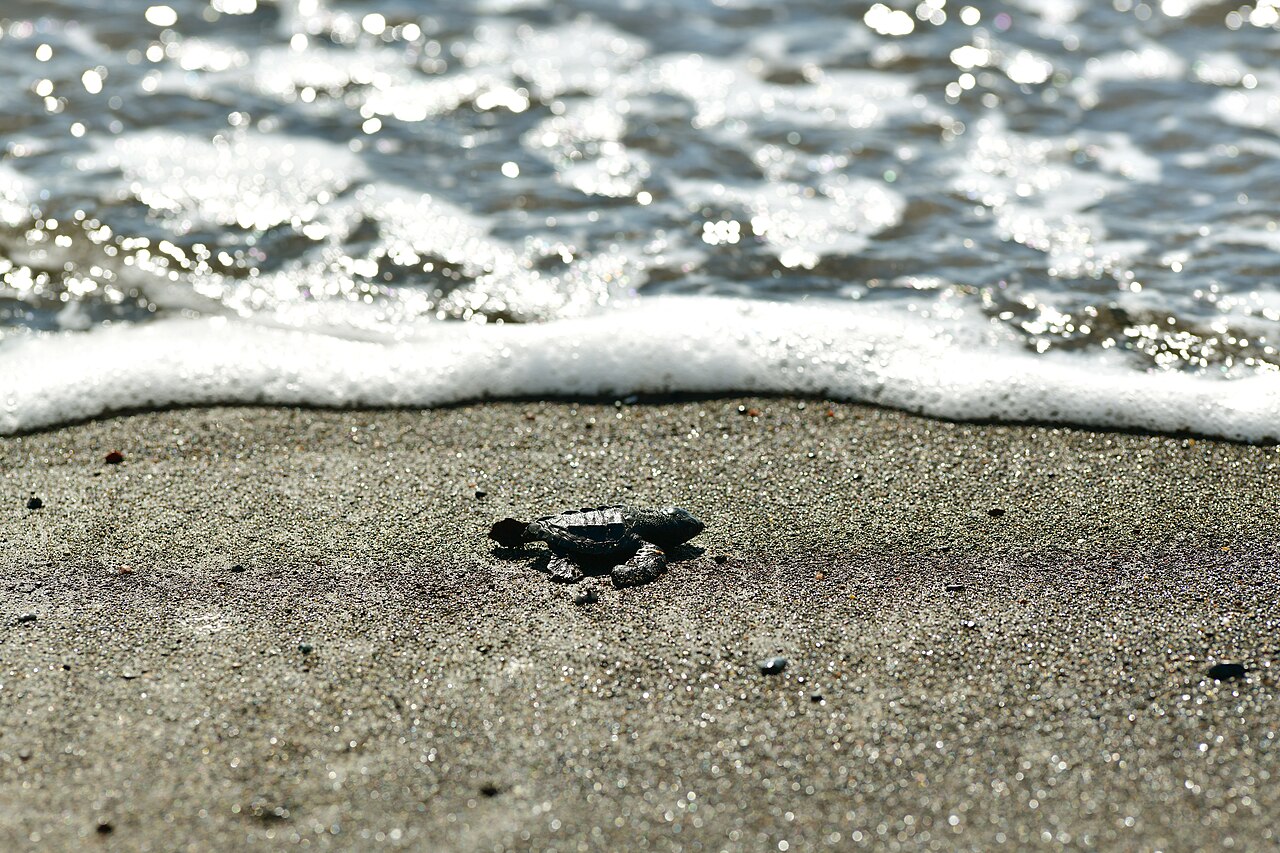
For visitors, care begins with practical choices. Arrange your visit with an accredited local guide. Give turtles space, keep their path clear, and never touch adults or hatchlings. Avoid flash photography and follow your guide’s instructions about lighting. An encounter should leave the animal free to continue what it came here to do.
Back at your accommodation, close curtains after dark and switch off unnecessary outdoor lights. Artificial light can disturb nesting females and disorient hatchlings. Small acts of consideration belong to conservation too.
Perhaps that is the deepest gift these animals bring Nosara: they remind us that loving a place means protecting the lives that make it extraordinary.
They nourish the shore, connect generations, and give us a reason to care more deeply. In that sense, they truly are the saviours of Nosara’s coastline.
Further reading & visitor information: SINAC — Ostional Wildlife Refuge · WCA — Responsible turtle visits · Universidad Nacional — Nutrient and energy research · UCR — Ostional’s community project